ghost
All posts tagged ghost
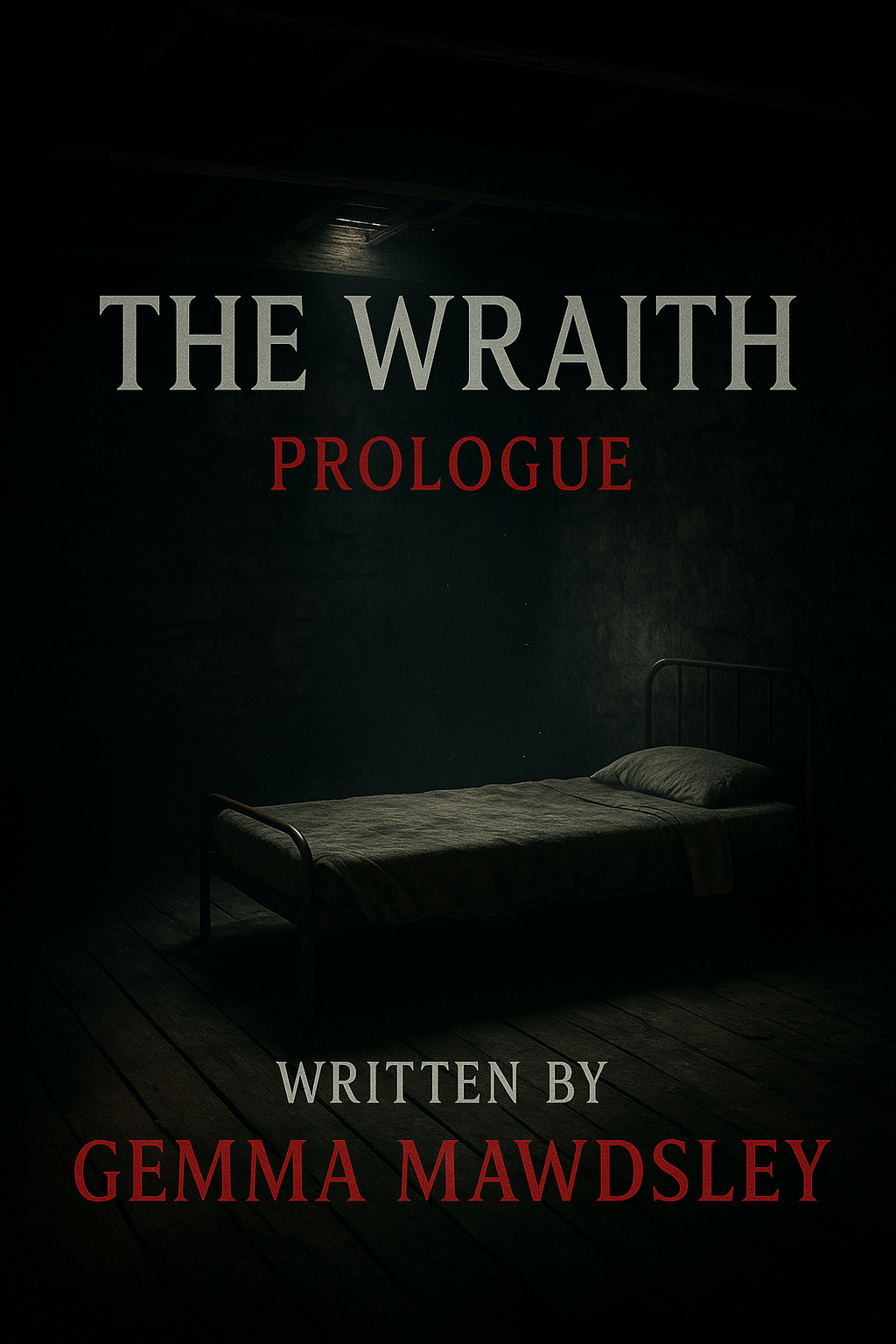
Jill realised, when they drew nearer the village, the cottages she imagined lying sleeping within the fog were deserted. She made no effort to hide the panic in her voice, as Tom steered the car along the empty street.
“It’s one of those abandoned villages from famine times,” her eyes searched the gloom for any sign of life. “I’ve read about such places. We’re not going to find a phone here. What are we going to do?”
The interior of the car felt cloying and it was harder to breathe.
“Let’s get out,” Tom suggested. “We can stretch our legs and get some fresh air.”
She followed his lead and got out of the car. Tom, phone in hand, walked up and down the street, hoping to find a signal. She lost sight of him as he moved farther and farther away.
“Don’t go too far,” she called to the shadowy figure in the distance.
“There’s a hill up ahead,” his voice echoed back. “I’ll climb to the top and see if I can get a signal.”
Pulling the lapels of her coat around her neck, she started to walk along the street, hoping the exercise would help the heat return to her frozen limbs. The old, abandoned cottages glistened with frost under the light of the full moon. Patches of fog swept by her like ghosts that had not assumed their proper shape and her fingers found nothing but air when she reached out to brush them aside. Despite the shrouding fog, there was something else in the air, a penetrating sadness that made her heart ache. Her senses were heightened by lack of sleep and the worry of finding her son, but she felt the terror of the villages’ lost occupants as they fled to avoid approaching death.
“Christ.” A clatter of sound from inside one of the cottages startled her.
She walked towards the door and investigated the inky darkness, but there was nothing to see. She brushed the noise aside as just the foraging of some night creature. A slight breeze stirred and sent the remaining fog scattering in its wake and it was easier to see down the road. At the top of the village a weather-beaten steeple marked the spot where the church once stood, and she walked towards it. By today’s standards the church was tiny, but then there would have been few parishioners to fill its pews, other than the inhabitants from the cottages. A group of trees circled the old graveyard. Though stripped bare now, they would brighten the grey landscape in summer. Small crosses served as grave markers. Some were made of steel, but for the most part they were crudely made wood. There was no inscription on any of them. Perhaps time eroded the names away, Jill thought, as she picked her way along the overgrown path. The church door was closed, and she turned the handle not expecting it to open, but it did. Inside the roof was rotted clear away, but many pews were still standing. Small scurrying sounds made her realise she had disturbed its only occupants, the things that belonged to the woods and the night.
“You can feel the sadness.”
She screamed when the voice sounded from the front of the church. In her determination to find her son, she’d forgotten the Wraith and had no idea it travelled with her through the cold and dark.
“Yes,” she walked towards the place where the altar once stood.
The Wraith was seated in the front pew.
“We lost the phone signal.” Jill stood as far away from it as possible. “Tom is outside trying to contact Paul.”
“It doesn’t matter,” the Wraith’s sigh echoed through the air. “I know where we have to go.”
The Wraith stood and drifted by her. Their eyes met and Jill was shocked at the hatred she saw reflected there.
“I understand your reason for not liking me,” she called after the retreating figure. “But put yourself in my position. You would have done the same.”
The Wraith stopped and turned back.
“Once I find my child I am assured of peace, but what about you? What will you have other than the stain on your soul?”
“I’ll have my child too,” Jill said. “I don’t care about anything else.”
“You’ll care when I’m finished,” it sneered. “Do you not realise I will decide your faith?” It laughed at Jill’s horror. “You should have studied your books a little better. There is a price to be paid. You didn’t think you could disturb the dead and get away with it?”
“No,” Jill wiped her eyes. “I knew I’d have to pay something, but I didn’t really think about it.”
“Pity,” it said, before it glided out of the church.
Jill sat in one of the pews and waited for the pounding of her heart to subside. Of course, she realised she could not walk away untouched from what she’d done, but she never imagined her fate would be decided by a creature whose eyes blazed with madness.
“Jill,” Tom walked down the aisle. “Did you see…?”
“Yes, I saw her,” she said, before he finished. “She’s followed us the whole time and knows where we need to go.”
“Let’s get going then,” he helped her up from her seat.
It was as if the life was drained out of her, he thought, as he led her out of the church and back along the village street.
“Ah, there you are.” Paul waited for them by the car.
“We had no coverage,” Tom held up the useless phone.
“I know, mine’s the same.”
Jill noticed he avoided looking at her and she felt familiar cold fingers clutch at her heart.
“What’s wrong?” She asked.
“I had to turn back; I’m afraid I lost him,” he shook his head. “The roads are so narrow and winding I must have lost him on one of the curves. He probably slipped down a laneway or something.”
“It doesn’t matter,” Jill nodded up at the roof of one of the cottages, where the Wraith sat waiting. “She knows where to go.”
“Jesus,” Paul looked up and staggered back against the car. “I forgot about her.”
“Surprise,” the Wraith laughed.
“She’s not right,” Paul muttered, before walking back to his own car.
The Wraith flew in front of them as they drove back to the main road. At times, she was a blur blacker than night. Jill was reminded of a painting she had once seen of the Angels of Mons, but this was no angel, this thing that flew before them. This was something from a far darker place.
Though Toby still had the sniffles, the fever had passed, and he was able to sit up in the bed. His throat was sore, but the last of the drinking water ran out hours ago. The children sat on the bed beside him and tried to cheer him with stories and jokes.
“That was just stupid,” Toby laughed at Raymond’s last joke.
“Made you laugh, though,” he smiled.
“Yeah, but it was still stupid,” Rachael said, giggling.
They were all having a fun time, when footsteps sounded on the floor overhead. As men’s voices drifted down, Toby felt the others grow tense.
“The bad men,” Paul whispered.
Toby whimpered with terror and clutched his superman doll closer to his chest. When the door above his head opened, Rachael dragged him out of the bed. They ran into a corner of the room and crouched in the shadows.
“Christ, it stinks down there,” he heard one of the men say, as a ladder was lowered into the cellar.
“Leave the door open a while,” someone else replied.
Once the foul-smelling air escaped, the monsters would be ready to begin their work. None of them checked to see if he was still alive.
Toby’s stomach hurt and the pain got worse when he realised the children were no longer beside him. He felt along the wall, hoping to find a way out, but there was none.
“They left us,” he whispered to the superman doll. “They left us.”
He was too tired and too sick to cry, so he stayed huddled in the shadows.
Freddy was first to climb down the ladder. He carried an old-fashioned oil lamp as they never bothered to have electricity installed and didn’t want the trouble of housing a generator. He held up the lamp and his eyes searched the gloom until he found the crouched shape in the corner.
“Come out.” He lifted the boy up with one hand and carried him across the room, before dumping him onto the bed. “Bring some water down here,” he called up to those overhead. “We have to wash him.”
“My throat hurts,” Toby said, expecting that this man, this grownup would help him.
Instead the man ignored him and went to the big cupboard in the wall and opened it. Toby scooted down the bed to get a better look at what was inside. There were strange, shiny things. Someone else was coming down the ladder. This man carried a bucket and Toby heard the water sloshing about.
“Here,” Christy pushed a bottle of water into Toby’s hands, but the child was rigid with fear.
He never felt the bottle leave his hands and was only vaguely aware of the lip being held to his mouth. The pain in his throat eased a little.
“Up you get,” strong hands lifted him and made no attempt to stop the man who peeled the sodden clothes from his body.
The water was icy, and he shivered as the cloth rubbed over his fevered skin. If he closed his eyes, he could have been home, with his mother washing him, but the water would not have been so cold there and he would not have been so frightened. A big towel wrapped around his body and he automatically started to rub his skin dry.
“Can I have my clothes back?” He asked the man gathering them into a bundle.
“No, you won’t need them,” the man smiled, as Toby looked up at him for the first time.
In that instant, he understood what was happening.
The other man, the one who was busy sorting thing in the big cupboard, walked to the foot of the ladder.
“We’re ready when you are,” he called.
The sound of heavy footsteps on the bare boards pounded overhead and a shadow appeared at the mouth of the trap door. Toby watched the legs appeared and another man climbed the ladder backwards down to the cellar. Toby eased back down onto the bed and picked up his doll.
“Help me, Superman,” he whispered, as the latest arrival turned around to look at him.
With a cry of delight, he jumped up and ran to put his arms around the familiar figure.
“I knew Superman would save me,” he smiled up at the man. “Oh, Sir, I was so frightened before you came. Can we go home now?”
“No, Toby,” the man ruffled his hair. “I’m afraid we can’t.”
“But, Sir,” he looked up at his teacher. “Why not?”
It came again, that terrible understanding and Toby started to back away. He held the towel closer as he crawled up onto the bed and huddled down in the corner farthest from the men.
“You’re supposed to mind me, Mr Jackson,” his eyes were filled with accusation. “You’re not supposed to be a bad man.”
“But I am, Toby,” he took a proffered strap from Freddy’s outstretched hand. “I’m a very, very bad man.”
Jill spent the next few hours in study. There was still a lot to learn, and she knew she wouldn’t be able to complete her task without the help of the book. Though it weighed a tonne, she had no choice but to take it with her to the graveyard. A magic circle needed to be drawn around the grave, and she would never memorise the writing and symbols in such a short time. Along with the triangle, candles, incense, and a host of other things, her load would be a heavy one. Dusk had descended when she started to load her things into the car. She fed the dogs before locking them in for the night. Frost settled on the walls and roofs of the outbuildings, and it would be freezing by the time she was ready.
She decided to leave about ten. This would give the children time to finish their trick or treat, and it would be hours before the two pubs in the village closed. So, there should be no one to disturb her, unless some of the teenagers decided to get up to mischief, frightening one another with dares in the graveyard. Another thing that made her balk, was that she had to be completely naked under the cloak. This was embarrassing enough with no one around to see, but in the middle of winter! The book ordered she must wash, and there was an assortment of pots boiling over the fire. Each one had to be carried upstairs and emptied into the bath. Her back ached by the time she slipped into the water, and though it barely came up to her sides, she managed to scrub herself clean. The body must the spotless, the book said, so she rubbed the cloth along her skin until it glowed red. Once she dried off, she lay down on her bed and prayed. Calling on the highest, and those she loved and lost for help, she closed her eyes and tried to rest. The alarm on her phone was set for nine. This gave her plenty of time to reach the graveyard. The cloak lay across the foot of the bed, so at least she didn’t have to worry about dressing. She was weary from the night of studying and worry about her son. She counted out the rosary, using her fingers as a guide, and whispered the words aloud, as she called on the mother of God.
The shrilling of the alarm roused her, and she opened her eyes in fright. It was time.
Slipping out from under the quilt, she swung the cloak around her naked body and went downstairs. After turning off lights and making certain the fire was safely banked down, she went outside. Bess, sensing the presence of her mistress, whined, but Jill ignored her, and rechecked the things in the car boot. It would not do to leave something behind. As she had predicted, it was freezing. Small puddles that lined the lane had frozen over, and she heard the crack as the ice gave way under the weight of the car. Her stomach hurt, and not just from the want of nourishment. It was the cold realisation that for the first time in her life, she was truly alone. This feeling was nothing like the one she felt when Joe abandoned them. This was something else, an emptiness that made her heart ache. She wondered, as she drove out onto the main road, if she would ever see her home again? Was she leaving behind the things that had become familiar to her? After tonight, her life would be changed forever. As she neared the village, she was reminded once again it was Halloween. Candles were lit in all the windows to light the way home for the dead and little children darted from house to house, screaming and laughing, as they vied with one another for the best treats. It was familiar, yet she felt so far removed from it all. Last year, Toby dressed as Superman. Though she had tried to explain that the superhero had nothing to do with Halloween, he had insisted, but settled on having his face painted like a skeleton. Was he thinking about that now, she wondered? Did he even know what night it was? Stop, don’t, she warned. If she continued like this, she would be of no use to him.
The road that led to the graveyard was empty. With no houses around, the only thing that cut through the dark were the car headlights. As she figured, there was no one about when she parked. Wrapping the cloak tightly around her, she carried her first load through the gate. The wind had died down completely, so there was no fear of it whipping the cloth aside, exposing her. The graveyard, that seemed peaceful during the hours of daylight, now became a sinister city of the dead. A faint, white mist rose above the graves, adding to the sense of menace. The old tombs that had earlier just been bricks and mortar now seemed like crouching, dark beasts, ready to pounce.
She made sure the batteries in the torch were new, and it guided her way along the path between the graves. She was panting when she deposited her load beside Marie’s grave, and she felt she might wet herself from both cold and fear. With no other choice, she squatted behind one of the large cypress trees, and emptied her aching bladder. She felt the warmth of the urine rising from the damp earth, but she had nothing to wipe herself with. Afraid, if she used to cloak to do so she would in some way taint its power, she allowed the last drops to glide down her legs. This added to her discomfort, as she made her way back to the grave. Taking the cans of spray paint, she found in one of the outbuildings, out of a plastic bag, she began to trace the magic circle around the grave. A space had to be left for her to walk through, and this would need to be filled in to complete the circle later. Once this was done, using the book as a guide and with the flashlight in her mouth, she crawled around the cold grass, filling in the names and symbols. Then she set out the candles in their tall, glass containers, in case of wind. Next, the bowls of salt and water. Once all this was in place, she lit the incense and candles. The Triangle of Solomon had to sit outside to circle, and to the right of the grave. This was where the spirit would appear and be contained. While it disturbed her to think she would, in a way, be holding the spirit captive, she had to follow the instructions. The Wraith would be a being of power, but she could only control it, if her spirit was stronger, according to the book. It would be like a shadow that existed to do her will. It would feed on her emotions and strength, and without them, would cease to exist. Her senses had never been so alive, Jill thought, so if that was what it took to keep the spirit alive, there shouldn’t be a problem.
The time was right, everything was in place, and she was ready to step into the circle, when she heard footsteps approach. Hardly daring to breathe, she fell to her knees and blew out the candles. Whoever it was had a torch, she saw the faint beam through the mist. Pulling the cloak tightly around her, she huddled against the tombstone and waited.
The day had seemed endless for Paul O’Farrell, as he checked the various clues and sightings that led to nothing. Now it was dark, and the searchers had all disbanded and headed for home. Tonight, was a time for family, for gaiety and laughter. He could never figure out Halloween and had always thought of it as a nuisance. He was down six men tonight, as even those who were drafted in were called on to keep the peace in the village.
The air was freezing when he stepped out of the school, and he pulled his coat collar higher, trying to escape its touch. He came back to the assembly hall to check if there were any phone calls on the whereabouts of the boy, but there was nothing. He was going to lose him, just as he had the other three children. A group of costumed figures ran screaming by him when he stepped outside the gate, and he stopped to watch their progress. At least they were too small to get up to any real mischief. It was the older ones who did the egging and threw the firecrackers. Once the children disappeared into the distance, he walked to his car. The street was quiet now, with just the odd pumpkin lantern to mark the day, but by tomorrow all signs of this holiday would be gone. He knew in the next few days; shop windows would start to fill with toys and cards for the Christmas. Out with the old and in with the new, he thought, as he opened the car door. God, I’m a miserable bastard. He smiled at the idea, but he no longer took pleasure in any occasion. To him festivities meant drunks, wife beaters and vandals. Had he always been that way? He thought of his wife and sons. Had his scepticism been a blight on the holidays? Well, it was too late now. As he drove through the village, he saw through the lit windows family gatherings, that only served to remind him of what he had lost. Maybe, he would try and spend more time with his sons, and there were grandchildren on the scene now. At least he could make sure he did not mess them up. Ah, it’s just the season, he sighed, that makes you feel so lonely. Halloween, the night when life meets death and the spirits rise from the grave. He would not wish that on Maura, not after what she suffered. Though there was never a day that passed without him wishing things could have been different, there were some things that were much worse. Like watching someone you loved slowly eaten away by a pitiless disease. No, he wouldn’t wish that on his worst enemy.
There was no point in going home, as there was nothing for him to do there but sit and think. He could not go into the pub, as he promised Jill, he would stay off the drink, and he was not the sort who could show restraint in such surroundings by ordering a mineral water. Deciding he would call out and see how she was doing; he steered the car out of the village.
He knew the minute he drove to the yard; she had not kept her promise. He hoped she would, but the darkened windows of their house told their story. Still, he got out of the car and knocked on the door. When there was no answer, he tried the handle, but it was locked, a sure sign she had gone out, as no one in the area ever felt the need to lock their doors. Across the yard, the old sheepdog barked, the sound muffled by the walls of her cage, and he heard her scratching at the door. Raising the dead, he shook his head in disbelief, but then thought of her words. Would he, if he were in her position, not do the same thing? As it was, there were no new leads, and it looked as though they would never find the child.
He’d stopped off outside his own house just long enough to collect the things he would need. Now, he walked along the path between the graves trying to find the right one. He had a vague idea where Marie was laid to rest, and he swung the beam of the torch along the tombstones, reading the inscriptions. He didn’t dare call out. Instead he used the shovel he carried as a walking stick to lean on when he stopped beside each grave. He could not bear to think about what he would have to do when he found the right one, and it set his teeth on edge, to think of the sound it would make when the tip of the shovel met the wood of the coffin.
“Ah, there you are,” his torch beam moved over the crouched figure that huddled against the stone.
“Go away,” Jill hissed. “You’re not going to stop me.”
“I’m not here to stop you,” he held out his hand to help her up. “Come on, we haven’t got all night.”
Jill took the offered hand and stepped warily out of the circle, sure at any moment he would handcuff her. When she realised, he was not going to do so, she looked at the shovel.
“What are you going to do with that?”
“I’m going to help you raise the dead. That’s what we’re here for isn’t it?”
“We’re not going to dig her up.” She would have laughed, if she weren’t so frightened.
“Oh,” he looked at the shovel in his hand, and then threw it aside. “That’s a relief.”
“It’s done with symbols and chants,” she waved towards the circle and triangle.
“I see.” He walked closer and inspected the drawing.
“I was about to start when I heard you,” she explained.
“Go ahead, then, I’ll not stop you.”
“Okay, you move over there,” she pointed to one of the trees. “And whatever you do, don’t make a sound; no matter what you hear or see. Once I’ve started, I can’t stop, and any interruption will ruin everything and probably kill me.”
“Jesus,” he moved into the shadows. “You’re frightening me now.”
“There’s no other way,” she said, her eyes filled with sadness. “If it gets too much for you, just walk away.”
“No, go on.” He couldn’t admit he wasn’t as brave as a woman. “I’ll stay till the end.”
Jill knew the sacrifice he was making just by being there. If anyone caught them, he would lose his job, and she’d probably end up in a mental home. He remained silent as she relit the candles and incense. More aware than ever of her nudity beneath the cloak, she held tightly to its folds. Once ready, she turned to him.
“I’m going to start the chant now.” She stepped into the circle and picked up the spray can on the ground to fill in the gap.
She had just taken the cap off the tin when another set of footsteps echoed in the darkness. Dropping to her knees, she once again blew out the candles, and ran to join Paul, who crouched behind one of the larger tombstones. The footsteps came closer. Sure, of their destination, they moved quickly over the gravelled path. As they waited for whoever it was to appear, Paul looked at her.
“What have you been doing,” he whispered. “Selling tickets?”
CHAPTER ONE
The bundle of newspaper was yellow and brittle with age and the string that held it together frayed, by the urgent gnawing of rodent teeth, to a few thin strands. Jill picked the papers up, glad the barrier the rubber gloves she wore made between her skin and the mouldiness and carried it over to the table. Her spring cleaning had started in earnest two days before, and this was just one more oddity that had shown itself during her quest to let no nook undisturbed. The papers were stuffed down behind an old settle in the kitchen and fell out when she moved it. For now, they joined with the rest of the photographs and letters her grandmother had hidden during one of her eccentric moments.
The house was unoccupied for over a year and the spiders took advantage of the silence. The evidence of their work was plain, as no corner remained untouched by their webs. Shuddering, Jill aimed the feather duster at dusty, gossamer net and jumped back as the cobweb came free, in case its occupant should decide to make itself known. Running to the back door, she shook the duster and stood for a moment surveying the landscape. The fields behind the house stretched for miles in a kaleidoscope of colour. The crops, ripened by the summer sun, were now ready for harvesting. Having little experience in the way of the land, she called on her nearest neighbor for advice, and an agreement was reached satisfactory to both parties. In the future, he would plant and harvest the crops for fifty per cent of the profit. This meant Jill had some income to rely on until she could find a job, and it also allowed her time to get the house in order. The woods to her right were as colorful as the fields and burned with all the colors of autumn. She breathe in the scent carried to her on the chill wind. It smelt of fresh pine and evergreen, the aroma familiar and comforting. Shivering, and aware for the first time of the cold, she shook the duster one more time before going back into the kitchen.
Looking around the room she sighed, imagining the mammoth task ahead. The house was over a hundred and fifty years old, and the rooms were built to accommodate a large, extended family. Though the big, open fire in the kitchen insured the room would always be warm, she dreaded to think what the bedrooms would be like in winter. The old fireplaces that sat unused in each one was choked with soot, and she had seen the crows’ nests on top of all the chimney pots. As there were no funds available to allow for the installation of a heating system, she had no other choice then to have someone sweep the chimneys and check that the ventilation vents allowed for the lighting of fires.
The bubbling of the kettle roused her from her musings, and she dropped a tea bag into the waiting mug and filled it with boiling water. The sandwich she prepared earlier looked tasteless and unappetising, so she pushed it aside. As she sipped her drink, her fingers moved over the assortment of things she had found. Many of the letters were written in her hand and she smiled at some of the childish gossip she had relayed over the years. Some were from her aunts and uncles. There were even some from her mother, and she became lost in the memory of the past. The later letters, the ones sent in the year before her grandmother’s death, were colder and more demanding than the others. There were threats, thinly veiled as advice, that she should sell the house now that her health was failing and move into a nursing home. Though nothing was directly implied, the words thundered off the pages, as each new letter became an exact copy of their siblings. Jill felt her throat grow tight as the words echoed up from the neatly written notes. Her heart ached when she imagined her grandmother’s reaction to the commands. Sell up, check into a home and stop being a bother to us. The meaning was clear.
Tearing the remaining letters to shreds and refusing to let her anger and sadness overwhelm her, she thumbed through old photographs. Some were quite ancient, the film grainy and yellow. The names, written in the familiar shaky hand of her grandmother, were of friends and relations long dead. There was one of Jill and her grandmother, taken in the orchard at a time when the trees hung heavy with fruit. I could not have been more than six-years-old, Jill thought, just a little younger than Toby. Her eyes misted over as she gazed down at the figure beside her, taking in the strong hand resting on her shoulder and the bright eyes sparkling with vitality even in their seventieth year. While Toby would never know his great grandmother, Jill would see to it that her memory lived on. He would always be aware of the great kindness she had done in willing them the house. No matter what happened in the future, she had ensured by her actions they would always have somewhere to call home.
Wiping the tears from her face, Jill walked to the old dresser and placed the photograph against one of the plates. It would remain there as a constant reminder of her loved one, and its presence would be comforting, as she adjusted to her new life. Now, back to the matter in hand, and she sighed, as she looked around the huge kitchen. Her grandmother was loath to throw anything away, believing everything would one day come in handy, so there was a mountain of old, rusty pots and enamel bowls to contend with. It took most of the day to clean out the old presses that lined the walls, and by the time she was done, a small hill of clutter had formed at the side of the house. With eight more rooms to go, Jill knew she would have to hire a rubbish skip. This would be yet another drain on her dwindling budget, but she could not allow the rubbish to remain where it was, especially not the rusted and sharp metal items dangerous to a child’s probing fingers.
The telephone had been installed, and she leafed through the phone book in search of a waste disposal firm. The voice on the other end of the line informed her that the skip would be delivered in two days. That gave her enough time, if she worked non-stop, to clear out the rest of the rooms and have the house in better order before the wintry weather.
Unlike the city, where the roads rarely filled up with snow and the thousands of streetlamps kept even the frost at bay, the country was a completely different matter. Memories of past Christmases’ spent with her grandmother reminded her of how harsh the weather could get, and she was glad of the large log pile in the lean-to behind the house. Despite spending most of her childhood summers with her grandmother, she still had a lot to learn, and there was not much time left before winter set in. The animals roaming the land had made provisions for the cold, but she did not have the harvesting instinct of the squirrel or field mouse. The small orchard screamed for attention on the few occasions she walked there with her son, and the vegetable patch was overgrown. The leaves from the rhubarb were now the size of small bushes, and she knew she could not allow the crop to rot in the ground. Once the house was in order, she decided, she’d start to work on the land.
The buzzing of the alarm on her mobile phone meant it was time to leave. The school was a twenty-minute drive away and, she had not met any of the women from the neighbouring farms to carpool with. She tried not to think how she would manage for childcare, if she did get a job. Biting her lip, she tried to concentrate on driving, and avoid the many potholes on the lane that led to the road. Christ, she swore, as a wheel descended with a resounding thud, and she prayed that the tire remained unscathed by its encounter with the rough ground. Only when she was out on the main road did she relax a little. She sat back in her seat glad there was so little traffic to contend with, one of the bonuses of living in the country, along with the silence and the clean air.
Though a city girl at heart, the country offered her protection and its surroundings were the balm her tired senses needed. Don’t, she warned, try to think of something else; the house and the amount of work that needed doing. But still it remained the constant, reoccurring ache that refused to be ignored, and the memory of Joe’s desertion. The news that he was leaving them was the proverbial bolt from the blue, and the shock of seeing him go, remained. The anxious months that followed, and the times she had to placate her frightened son and assure him of his father’s love were the most traumatic of her life. It was bad enough to have a broken heart to contend with, but she was an adult. While sorrow was a part of growing up, the damaged emotions of a young boy was something she never imagined having to cope with.
In the past, when they were a family, she pictured Toby’s life and managed to endure letting him go, first to playschool and then primary. Though many a secret tear was shed, nothing prepared her for the child’s anguish at being abandoned by his father, his hero. Though never a boisterous boy, he had grown quieter over the past months, and the move from the city was hard on him. Not only was he leaving behind his friends and the familiar streets, he no longer had the hope he once did of seeing his father return. For weeks after Joe left, he’d spend his free time with his nose pressed against the apartment window, searching the crowds thronging the pavements outside. Jill never asked what he was doing. She knew, as she watched his eyes scan the streets, that he was looking for that one, special face. No pills or antacids would still the burning inside her, and she no longer bothered the doctors with her complaints, as her own diagnosis was correct. Her heart was broken.
Cars lined both sides of the road outside the school and she moved along the lines, hoping for a parking space. There was none and she was forced to park on a grass verge quite a way from the school. The bell was ringing as she picked her way along the mound and most of the children were reunited with their mothers when she reached the gate. Some of the women smiled and nodded when they passed her, and she was glad of the greeting and the feeling she was being recognized. Those children not with their mothers, were standing in groups exchanging childish gossip, as they waited to be collected. Only Toby stood alone. Her heart ached as she took in his disheveled appearance. The white shirt she tucked in his pants now hung over his belt, and his gelled hair stood at all angles. This was his own doing, as, like his father, he had a habit of running his fingers through it when he was concentrating or worried. He looked pale beside the other children, whose cheeks still retained traces of the summer’s sun, and she saw he was cold, as his lips had lost their colour.
There was no rush to greet her, when her saw her, and he allowed her to take the coat draped over his school bag.
“You should put this on,” Jill smiled, and helped him put his arms through.
Kneeling in front of him, she did up the buttons and looked in his sad, grey eyes.
“I love you, you know,” she whispered.
“Yeah, I know,” he sighed, and this told her all that she needed to know.
Her love was not enough. He needed his father.
His hand in hers felt small, as they walked back to the car. She thought of the lunch box and the food that would be untouched. She had become used to throwing away sandwiches and fruit she packed for him each morning. Just the juice carton would be empty.
They never spoke as they drove back to the house. She didn’t try to make conversation, as her questions would only annoy him, and made a mental note to speak to his teacher. It was impossible to know what was going on in his mind, and she reached across and squeezed his hand. The smile he gave her didn’t reach his eyes, and he pulled his hand away. The bumpy drive down the lane to the house never touched him, even when they were jostled from side to side. Jill looked at her son from the corner of her eye, hoping for a reaction, but there was none.
“I’ll do my homework in my room,” he said, as he climbed from the car.
“Wouldn’t you like something to eat first?” She called after him.
“Naw, not hungry,” he shrugged, before climbing the stairs.
Jill watched his retreating back. He was thinner, and even a little stooped under the weight of his terrible grief. Tormented by worry, she retreated to the kitchen. The light had faded, and the room was deep in shadow. The lone bulb in the ceiling did little to dispel the gloom, and she knelt beside the fire and struck a match. The dry sticks and bunches of old newspaper were soon blazing away, and she stayed warming her hands on the red flames. Her legs ached when she stood. She sat at the table and pulled the remaining bundle of newspapers towards her. No longer caring about their condition, she pulled on the binding string. It gave way with a small snap, and she unfurled the tattered bundle. She was about the scrunch it into a ball for the fire when the photo on the cover caught her attention. The bright, smiling face of a little girl, about the same age of her son, stared back at her and the headline proclaiming the child was missing made Jill’s blood run cold.
 This is my latest profile photo for Locating the Gothic. I’ve told you about the wonderful events we have planned for the autumn and while I know it’s hard to think about this when the sun is shining, the winter is inevitable. So don’t leave it until the wind is howling in the chimney and ghostly fingers tap at your window panes to have a look at the site.
This is a modern ghost story that happened a week ago to a friend of mine who works in a nursing home. There was one patient, an old lady in her eighties who she was particularly fond of and would spend hours chatting with her during the night shift. This went on for many years. Each night the old lady would come in to the common room and sit in her favourite chair. Anne, my friend, knew she was on her way, as her arrival was preceded by a racking cough. The old lady suffered from her chest and the cough was a distressing and painful one. One night, last week, the old lady failed to turn up, so Anne went to check on her. Sadly, she had passed away. The following night, Anne sat reading in the common room. Every now and then she glanced over at the old lady’s empty chair and felt her heart ache with sadness. Around 4 a.m., when the wards were all silent, Anne was roused from her reading by a racking cough coming from the empty chair. In that instant her nose started to bleed for no reason. You can imagine her fright, as she rushed from the room. She has never suffered from nose bleeds, her blood pressure is normal and there was no one else around with a cough. Strange, of course, and something that makes one stop and think.
It’s going to be a busy week as I set out to find a literary agent in the U.K and America. I’m hoping to find someone who shares my passion for the Gothic novel rather than the bloody gore one associates with horror. So, fingers crossed I find someone who gets my writing and with whom I can share my vision.
Some months ago I took a break from writing my usual Gothic ghost stories and missed them terribly. I was in the middle of writing the history of a haunted house, it’s titled An Undesirable Property and am taking up where I left off with this. I’ve missed the suspense and the creeping terrors the dark nights bring with them and I know from your emails, that some of you have missed them too. So back to work I go, along dark, deserted corridors with creaking floorboards and darting shadows. The chill in the air warns that the house is a place of unrest, but there are those not sensitive enough to feel it. I’ll keep you undated as the house comes to life and bring you with me as we enter its ancient door, past peeling paint and rotting wood. Stay warm, my friends.
Twilight seems the favorite time for ghosts. In those last few minutes, as day surrenders to night, they are allowed to roam. It’s understandable, when you think about it, as the sun sets and shadows deepen. They belong to this place, the land of shadow, caught between light and dark, in a world of endless night. We must pity these poor soul and leave them be. Nothing could be worse than their timeless wandering, and we must pray that our own fate never mirrors theirs.

 gemmamawdsley